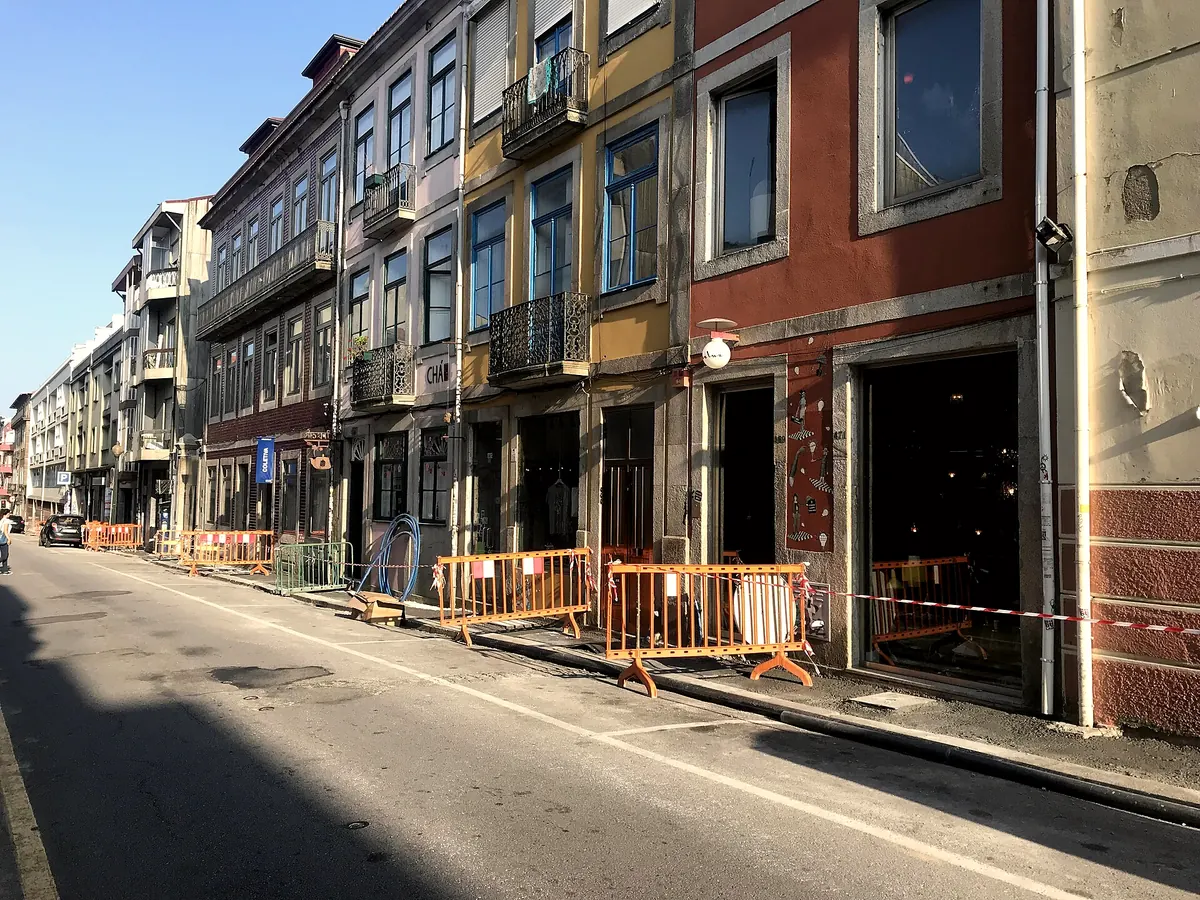
Porto’s food culture lives in small places — family tascas, market stalls, counters where the same people have stood for decades. A good guide opens those doors quickly, explains what you are eating and why, and leaves you with a list of places for the rest of your trip. Here is how to decide whether you need one.
01When a food tour is worth it
- Early in your trip. A tour on day one gives you a mental map and a list of places to return to.
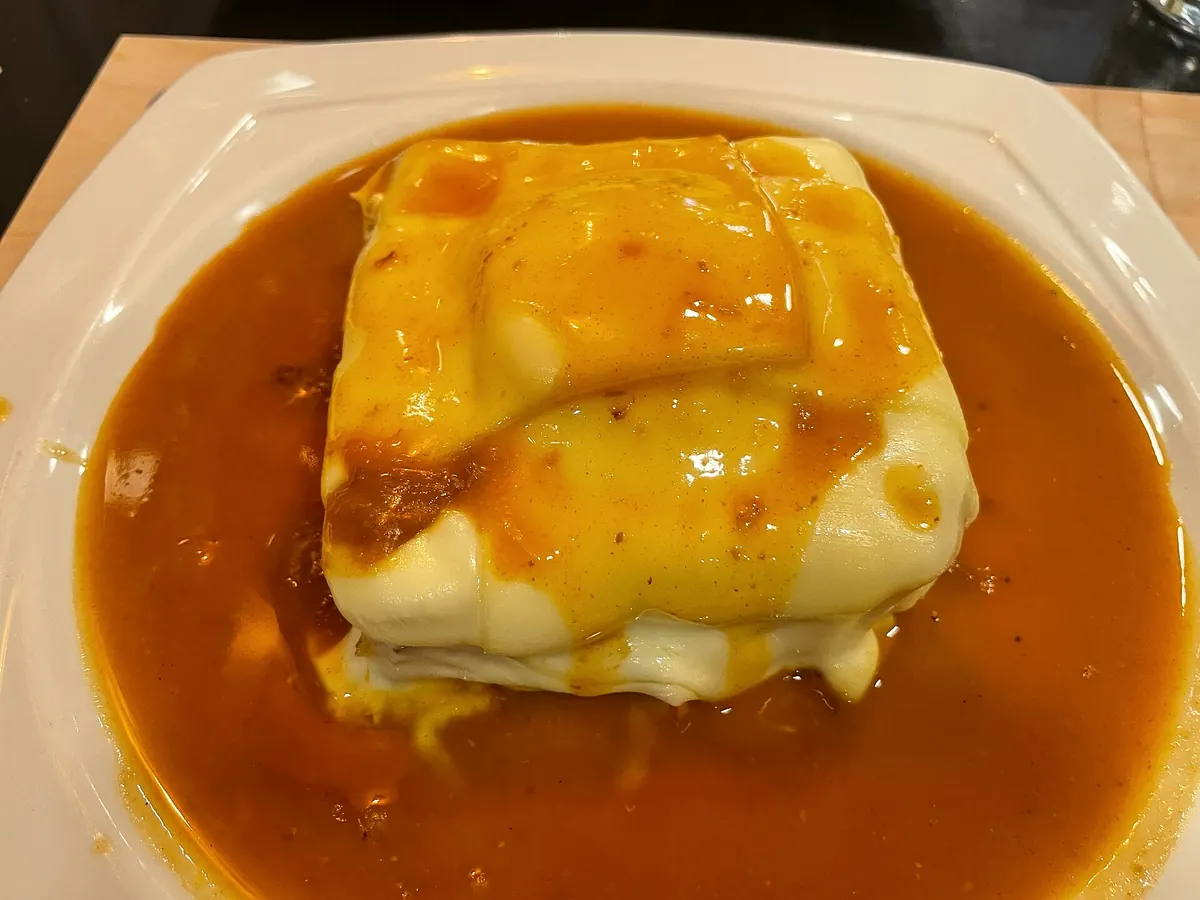
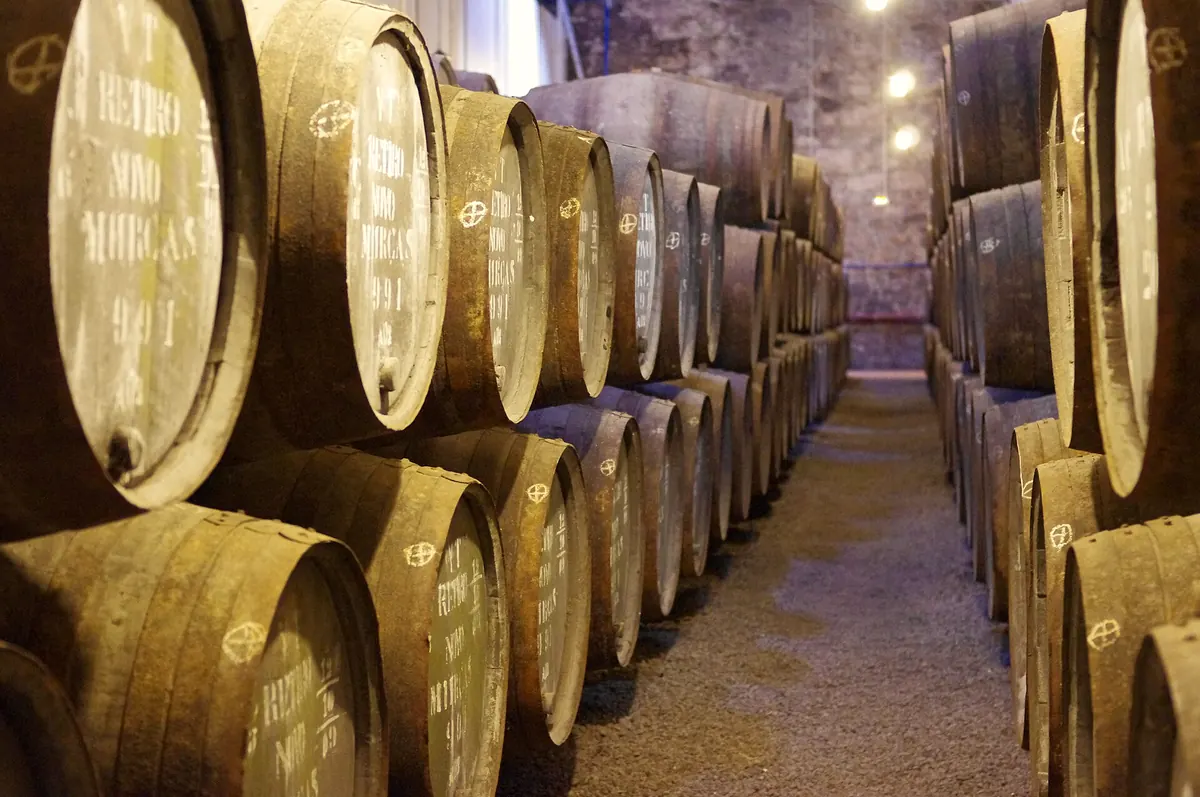
- If you are curious about the stories. Why tripas, why the francesinha sauce matters, how Port is made.
- If you do not speak Portuguese and want to try places without English menus.
- Travelling solo. A small-group tour is a sociable way to eat well.
It is less useful if you already know Portuguese food, prefer long sit-down meals, or have strict dietary needs that make tastings difficult.
02What a good tour includes
- Small groups — ideally ten people or fewer.
- A clear tasting list: savoury, sweet and drinks, with roughly how much food. Many tours replace lunch.
- Independent, local businesses, not one restaurant’s showroom.
- Walking distance and terrain stated honestly — this is Porto, there will be hills.
- Dietary options confirmed in advance.
- Recent, detailed reviews that mention the guide by name.
Vegetarian, gluten-free or no alcohol? Ask the operator directly before paying. Good tours can adapt; others simply hand you less food.
03A self-guided alternative
Prefer to go alone? This walk covers the basics in about three hours.
- Mercado do Bolhão in the morning — browse the stalls, and try cured meats, cheese and fruit.
- A pastelaria for a nata and a cimbalino on or near Rua de Santa Catarina.
- A bifana or sandes de pernil at a traditional counter for a late-morning snack.
- Lunch: prato do dia at a family restaurant in the Baixa or Cedofeita.
- Afternoon: Port — a tasting in Gaia or a glass at a Port bar.
- Evening: francesinha, shared, at a café known for its sauce.

QuestionsFrequently asked
How long are Porto food tours?
Most run three to four hours and replace a meal. Check the tasting list to know how much food is included.
Are Porto food tours suitable for vegetarians?
Some are; many traditional tastings include meat or fish. Confirm with the operator before booking.
Photos on this page come from Wikimedia Commons photographers and are credited under each image.