Porto is small — you can walk from the cathedral to the Clérigos tower in ten minutes — but it is steep, and it is spread across two cities and two very different landscapes: a river gorge and an Atlantic coastline. Choosing where to stay is less about which hotel has the best lobby and more about which hill you want to climb at the end of the day, what you want to hear from your window, and how you want to spend your evenings.
This guide compares the five areas that work best for most mid-range and luxury trips, then covers the practical details — tourist tax, luggage, parking, noise — that decide whether a stay feels effortless.
01The quick answer
| Area | Best for | Consider instead if… |
|---|---|---|
| Ribeira | Short, atmospheric stays; river views; walking everywhere | You need step-free access, quiet nights or a long stay |
| Baixa & Cedofeita | First-timers; restaurants and cafés; flatter central streets | You want sea air or a big resort-style hotel |
| Vila Nova de Gaia | Port lodges; the view of Porto; calmer evenings | You want most museums and dinners on your doorstep |
| Foz do Douro | Slow, luxurious stays; sea views; seafood | Your trip is only one or two nights |
| Boavista | Larger hotels; parking; airport metro; concerts | Atmosphere outside the door matters most |
If you remember one thing: for a first visit of two to four nights, stay in the Baixa or Cedofeita, walk down to Ribeira, and cross to Gaia for the cellars. For a slower return trip, add or switch to Foz.
02Ribeira and the historic centre
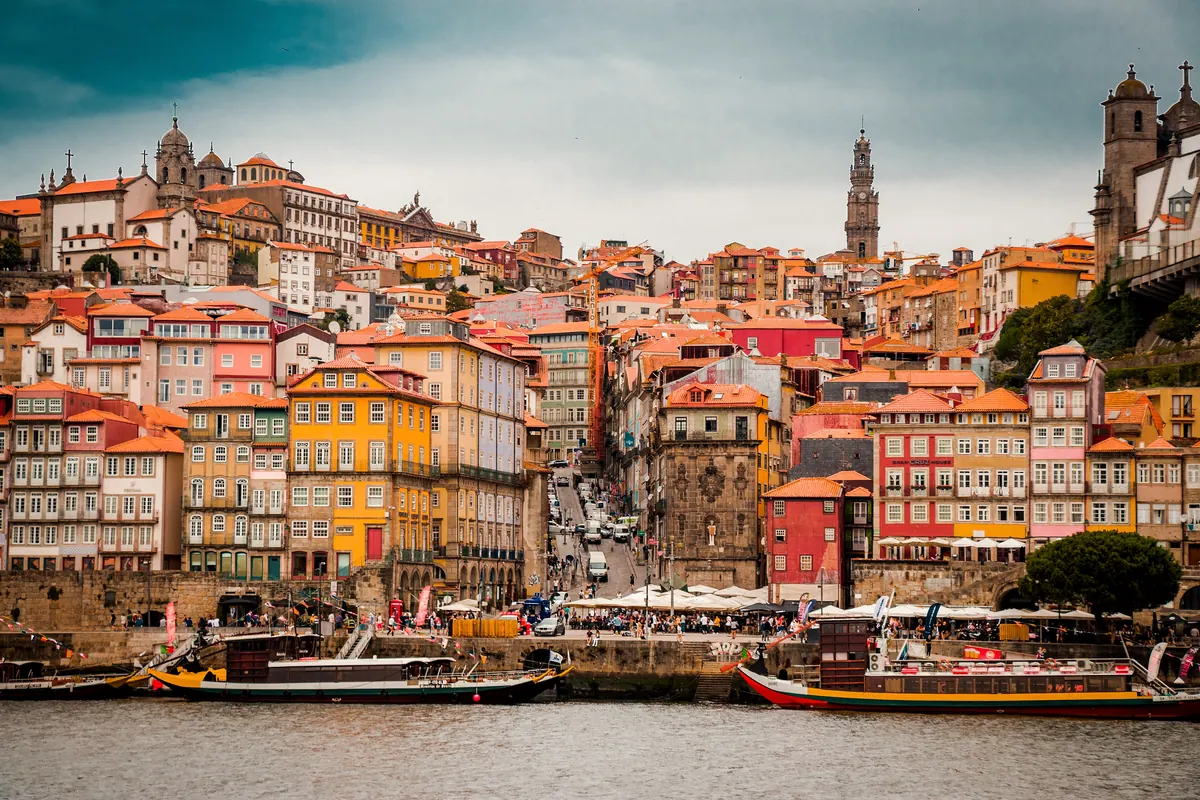
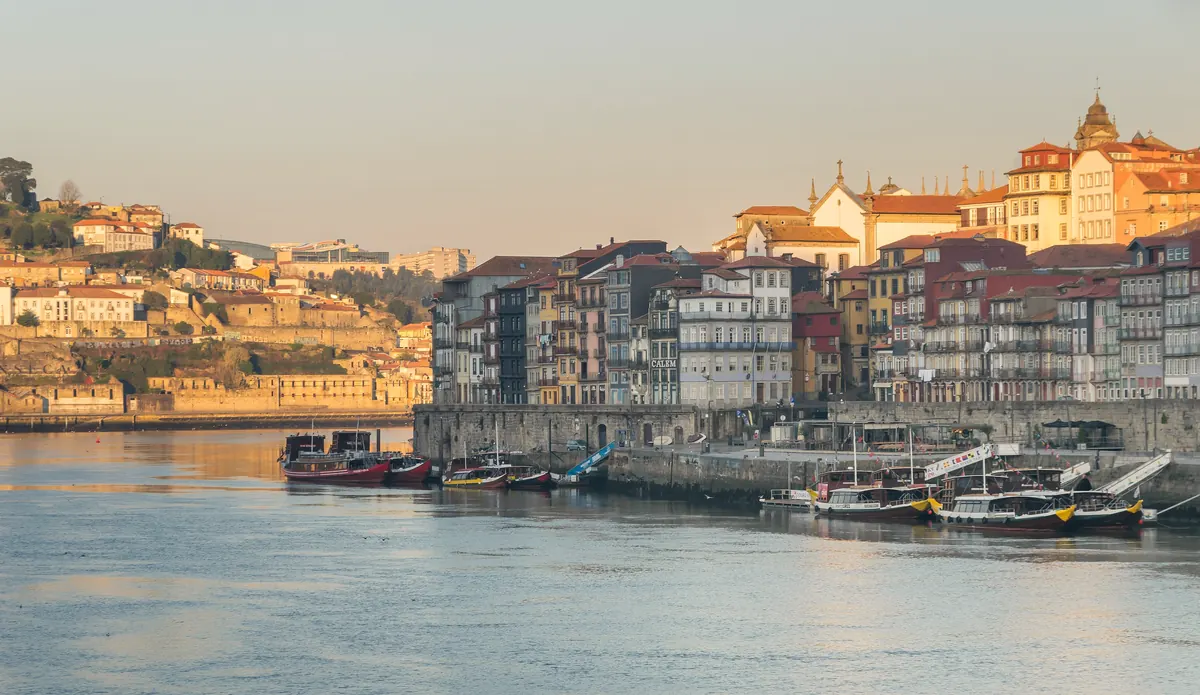
The appeal: you are inside the UNESCO-listed old town, the river is at the end of the street and the sunset is part of the room rate. Early mornings on the quay are magical, and the Gaia lodges are a ten-minute walk across the bridge.
The trade-offs: gradients, stairs and cobbles; many buildings without lifts; cars that cannot reach the door; and lanes that stay lively late. In peak summer the waterfront is crowded from late morning until night.
Who it suits: couples and solo travellers on a short trip who are happy on their feet. Read the full Ribeira guide.
03Baixa and Cedofeita: the central sweet spot
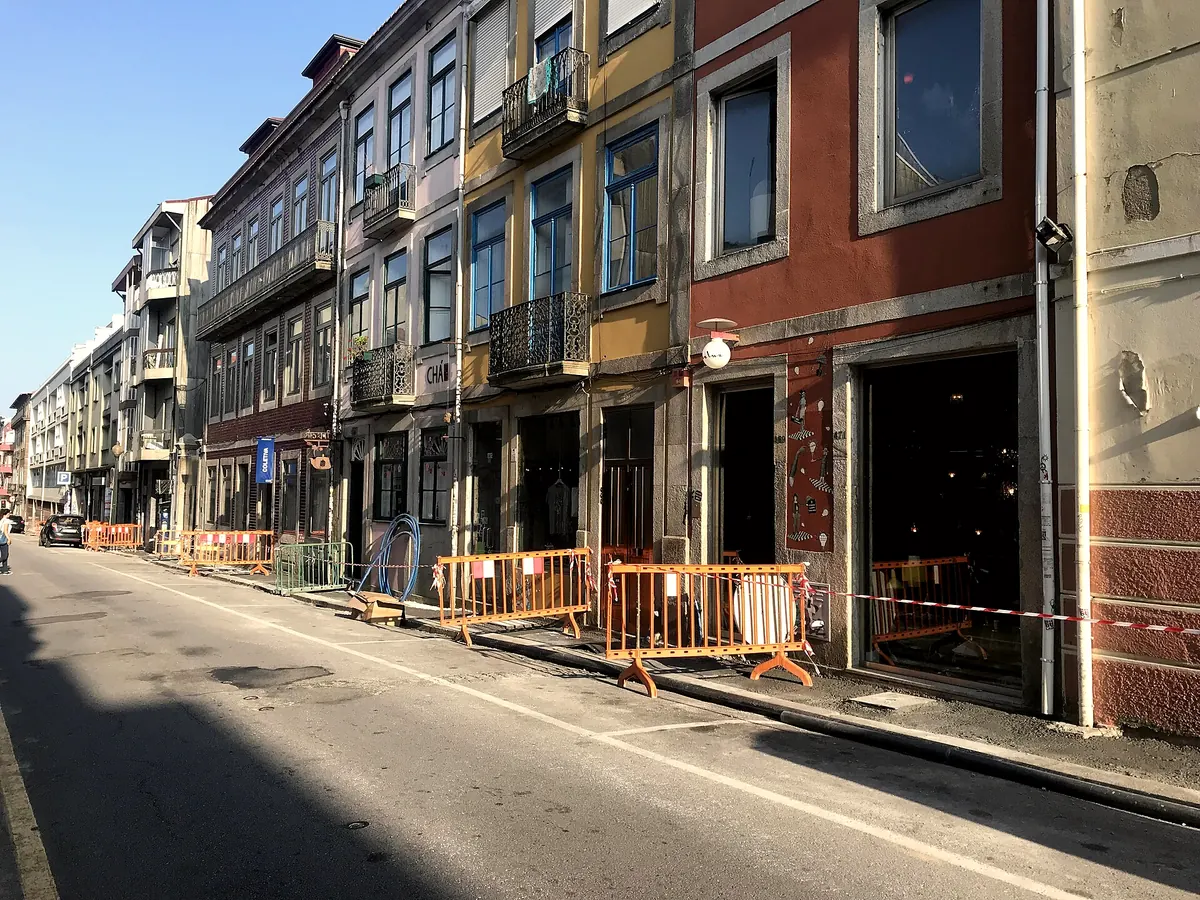
The appeal: the Baixa (downtown) and neighbouring Cedofeita sit on the plateau above the river, around Avenida dos Aliados, the Clérigos tower, Bolhão market and the gallery street of Miguel Bombarda. Streets are flatter, the metro and taxis are close, and the restaurant and café scene is the best in the city for everyday eating.
The trade-offs: no river view from most rooms, and the walk back up from Ribeira is real (about 15 minutes, uphill). Some streets around nightlife pockets can be noisy at weekends.
Who it suits: first-timers, food-focused trips, and anyone who wants to walk to most sights without living on a staircase. Read the Cedofeita guide.
04Vila Nova de Gaia: the view and the lodges
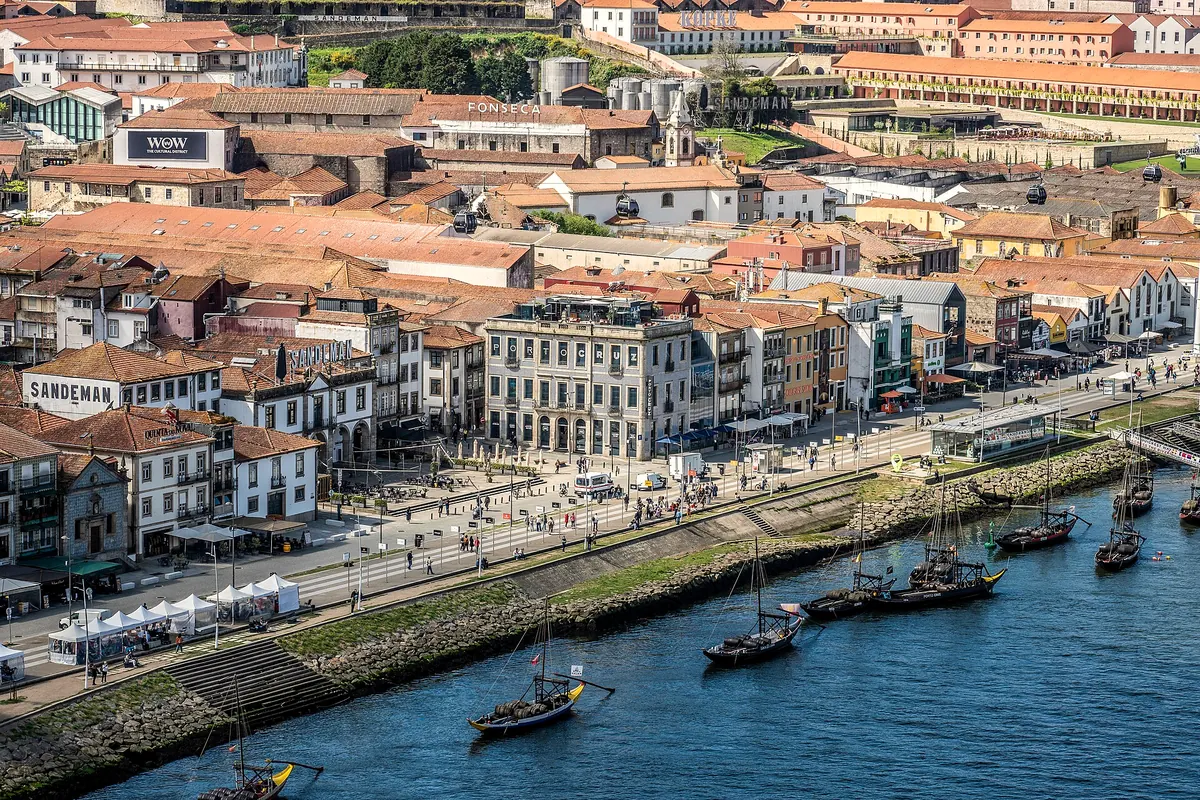
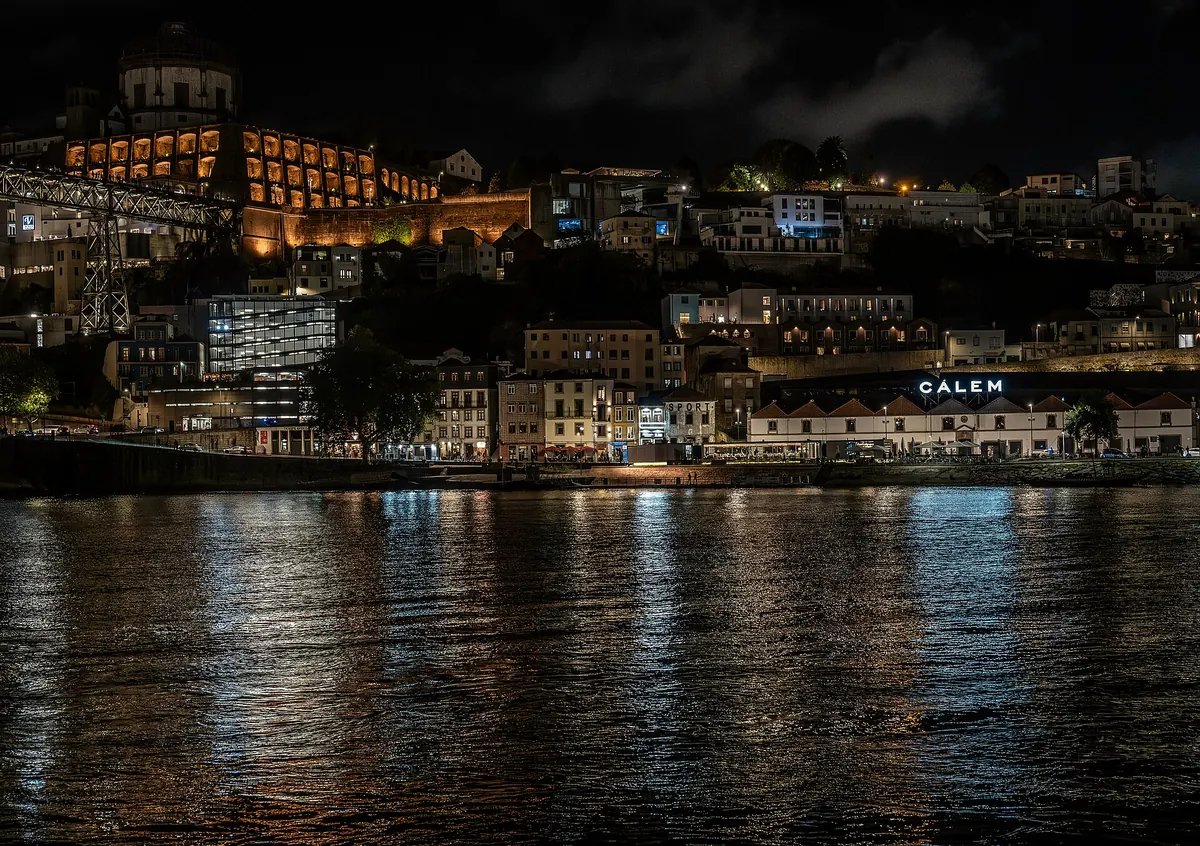
The appeal: waking up to the whole of Ribeira across the water, lodge tastings a few minutes away, and calmer evenings once the day visitors have gone.
The trade-offs: you will cross the bridge for most museums, markets and restaurants; the hill behind the waterfront is steep; and Gaia charges its own city tax. Gaia is a large municipality, so make sure “near Porto” really means near the river.
Who it suits: wine-focused trips, photographers, and travellers who prefer to look at Ribeira rather than sleep in it. Read the Gaia guide.
05Foz do Douro: Atlantic calm
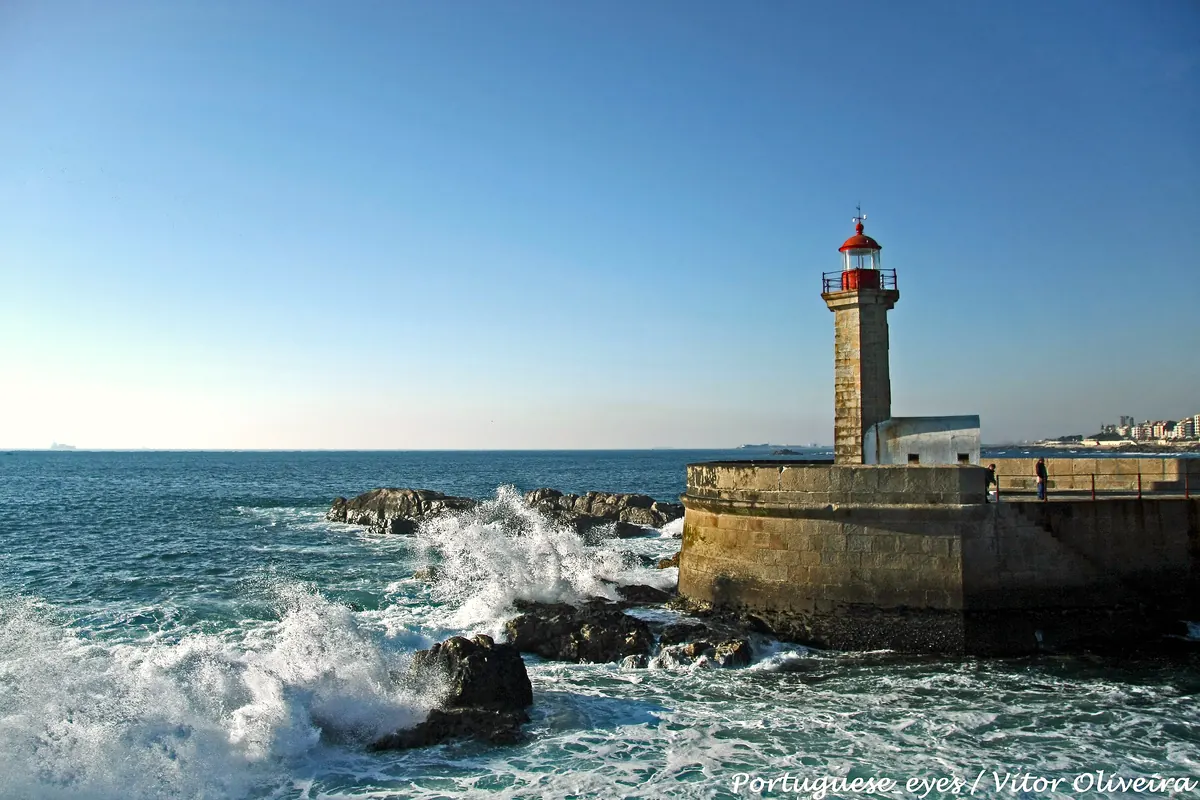
The appeal: promenades, lighthouses, sea air, seafood and genuinely quiet nights. Foz is where many Porto residents would stay if they were visiting their own city.
The trade-offs: you are 15–25 minutes by taxi from the historic centre, and hotel stock is smaller, so sea-view rooms go early in summer.
Who it suits: longer stays, honeymoons, returning visitors, and anyone who sleeps badly in cities. Read the Foz guide.
06Boavista: space and convenience
The appeal: bigger, more conventional hotels, lifts and parking, the direct metro to the airport, Casa da Música on the doorstep and Serralves down the road.
The trade-offs: it is a business district, so evenings are quieter and less characterful, and you will commute into the old town.
Who it suits: business-leisure trips, drivers, families who want space, and concert-goers. Read the Boavista guide.
07Hotels, guesthouses or apartments?
Porto’s accommodation has changed enormously in the past decade. Broadly, you will choose between three types:
- Boutique hotels in restored buildings. The city’s signature: granite townhouses and old warehouses turned into small hotels. Character is high; room sizes and lifts vary. Read recent reviews for noise and stairs.
- Larger hotels. Concentrated in the Baixa, Boavista and the Gaia riverfront. More predictable, often with parking, gyms and bigger rooms.
- Apartments and guesthouses. Abundant in the centre. Great for longer stays and families; check the check-in process (some are self-service), the floor and whether there is a lift.
In Porto, luxury is often less about marble and more about logistics: a lift, a quiet room, a car that can reach the door, and a location that saves you the steepest climb at the end of the day.
08What drives the price
Porto rates move with three things: the season, the calendar and the view.
- Season. Late spring to early autumn is high season, with the warmest weather and the busiest lodges and quintas. November to March is quieter and usually better value, apart from the Christmas and New Year period.
- Festivals and events. São João, the city’s great street festival on the night of 23–24 June, fills hotels across the centre. Large concerts and conferences have the same effect; check the dates before you fix yours.
- The view. A river view in Ribeira or Gaia can cost noticeably more than the same room facing a back lane. Decide whether you will actually be in the room at sunset.
Remember that Porto’s municipal tourist tax — €3 per guest aged 13 and over, per night, for up to seven nights — is usually collected by the property on top of the room price. Gaia charges the same amount for guests aged 16 and over.
Is there a lift? Is the room air-conditioned? Does the window face a bar street? In older buildings, these three questions decide whether you sleep well.
09Families, groups and longer stays
For families and groups, apartments and aparthotels often make more sense than hotel rooms: a kitchen, a washing machine and a living room change the rhythm of a week. Look for buildings with a lift, and for locations on the flatter plateau of the Baixa, Cedofeita or Boavista rather than the steepest lanes of Ribeira, especially with a pushchair.
On longer stays, split your nights. A few days in the centre for sightseeing, followed by a few in Foz by the sea or a night in the Douro Valley, gives you two very different trips for the price of one.
10Booking tips that save trips
- Check the map pin, not the name. Listings often stretch “Ribeira” to cover the whole centre.
- Ask about the lift and the door. Can a taxi stop outside? How many steps to reception?
- Budget the tourist tax. €3 per adult per night in Porto (13+) and in Gaia (16+), up to seven nights. It is usually collected at the property, not included in the online rate.
- Book June early. The São João festival on the night of 23–24 June fills the city; summer weekends and major football fixtures do too.
- Choose free cancellation when you can. Prices move a lot in Porto; flexible rates let you rebook if your plans or the market change.
- Think about your arrival. Late-night arrivals with luggage are much easier in Boavista, the Baixa or a hotel with door-to-door taxi access.
QuestionsFrequently asked
What is the best area to stay in Porto for first-timers?
The Baixa or Cedofeita: central, walkable, close to the metro and restaurants, and a short walk down to Ribeira.
Is it better to stay in Porto or Vila Nova de Gaia?
Porto for convenience to most sights and restaurants; Gaia for the river view and the port lodges. Both are a short walk apart across the Dom Luís I bridge.
How much is the tourist tax in Porto?
€3 per guest per night for guests aged 13 and over, for up to seven nights (Câmara Municipal do Porto, checked October 2026).
Where should I stay in Porto without a car?
Anywhere central works without a car. For the easiest airport connection, choose a hotel near a line E station such as Trindade or Casa da Música.
Photos on this page come from Wikimedia Commons photographers and are credited under each image.