Neighbourhood guide
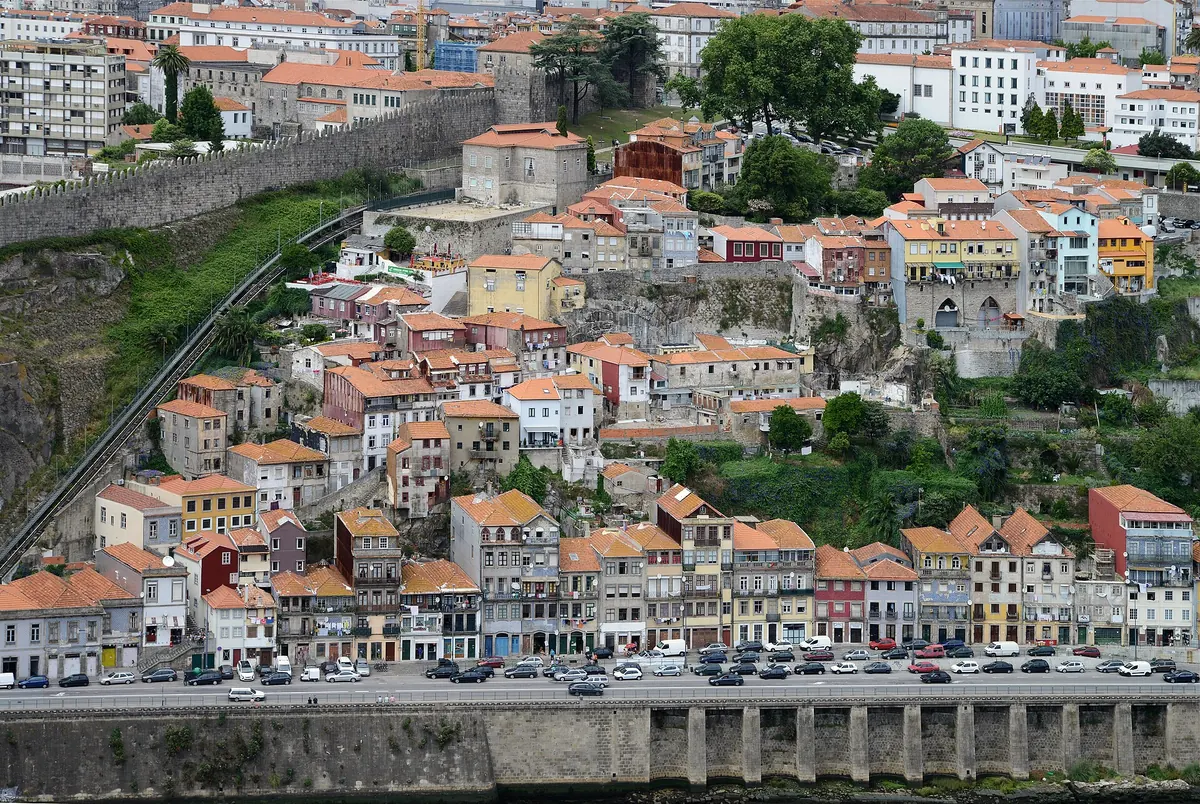
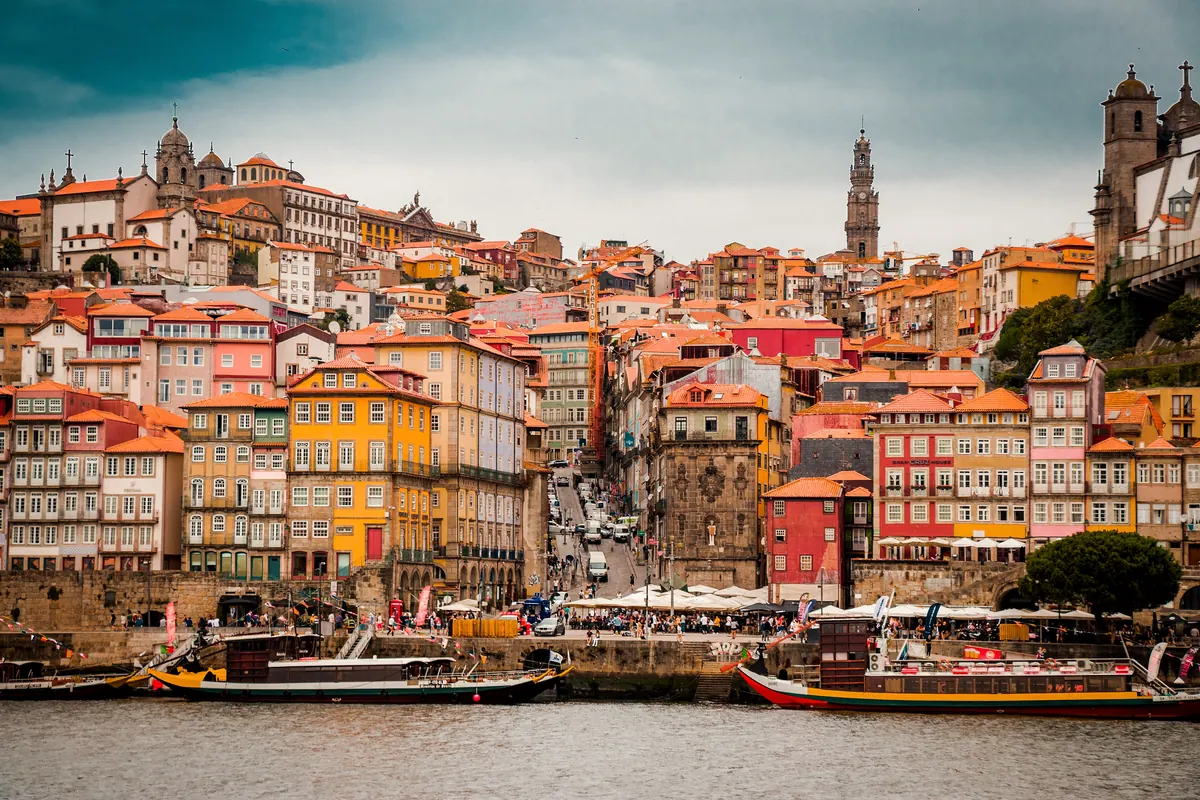
Ribeira: Porto’s river stage, up close
The UNESCO riverfront in daylight and after dark: who should stay, the walks worth doing, and the stairs nobody mentions.
Porto’s districts are close together but feel worlds apart. Each guide below is written from scratch for its place — no swapped names, no recycled paragraphs.
The city climbs from a river gorge to a granite plateau, then rolls west to the Atlantic. Where you sleep decides how many stairs you climb, what you hear at night and how you spend your evenings.
| Neighbourhood | Character | Terrain | Best for |
|---|---|---|---|
| Ribeira | Medieval riverfront, lively | Steep, stairs, cobbles | Short atmospheric stays |
| Cedofeita | Galleries, cafés, residential | Gentle by Porto standards | First-timers, food lovers |
| Vila Nova de Gaia | Port lodges, views of Porto | Steep behind the waterfront | Wine-focused trips |
| Foz do Douro | Atlantic, promenades, calm | Flat seafront | Slow, longer stays |
| Boavista | Modern, business, architecture | Flat avenues | Space, parking, airport metro |
The UNESCO riverfront in daylight and after dark: who should stay, the walks worth doing, and the stairs nobody mentions.
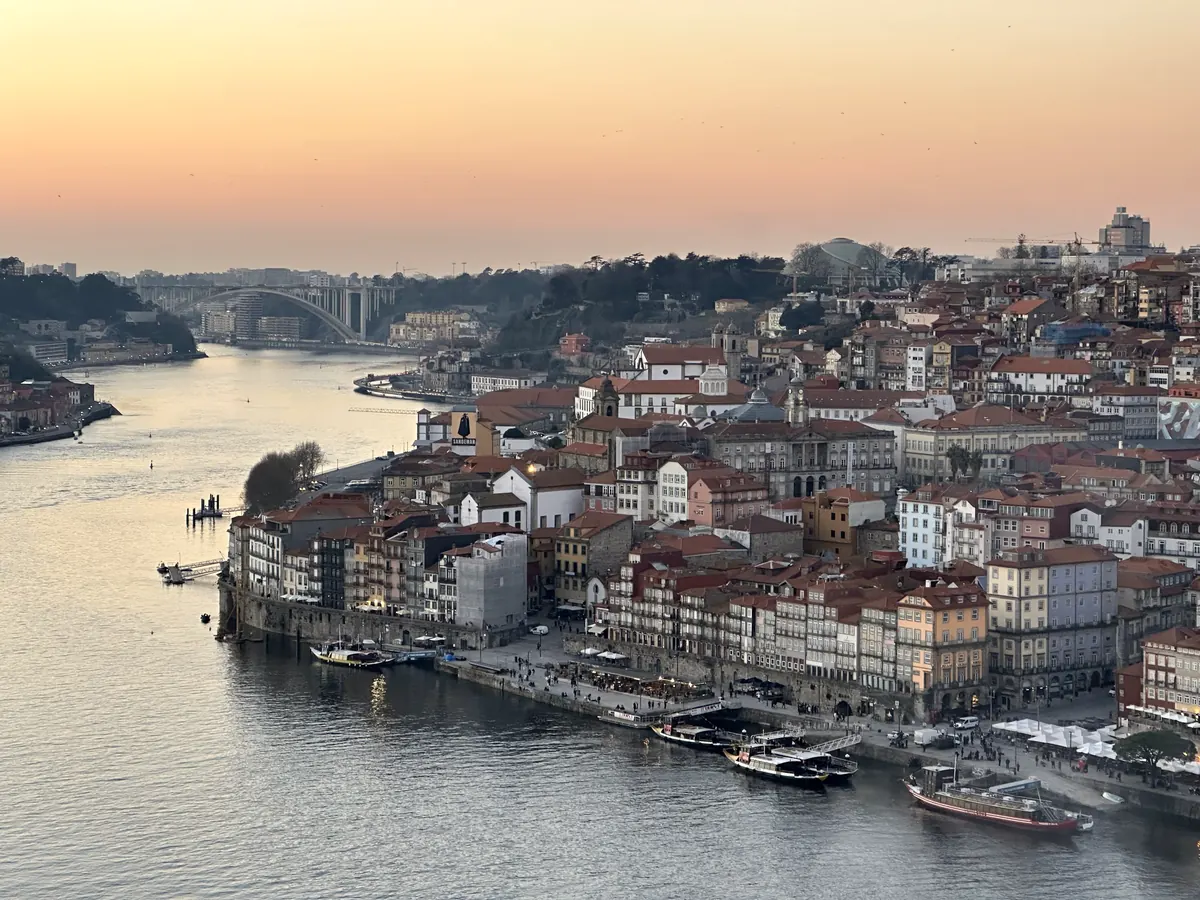
Port lodges, the best sunset view of Porto, and why staying across the river can be the smart move.
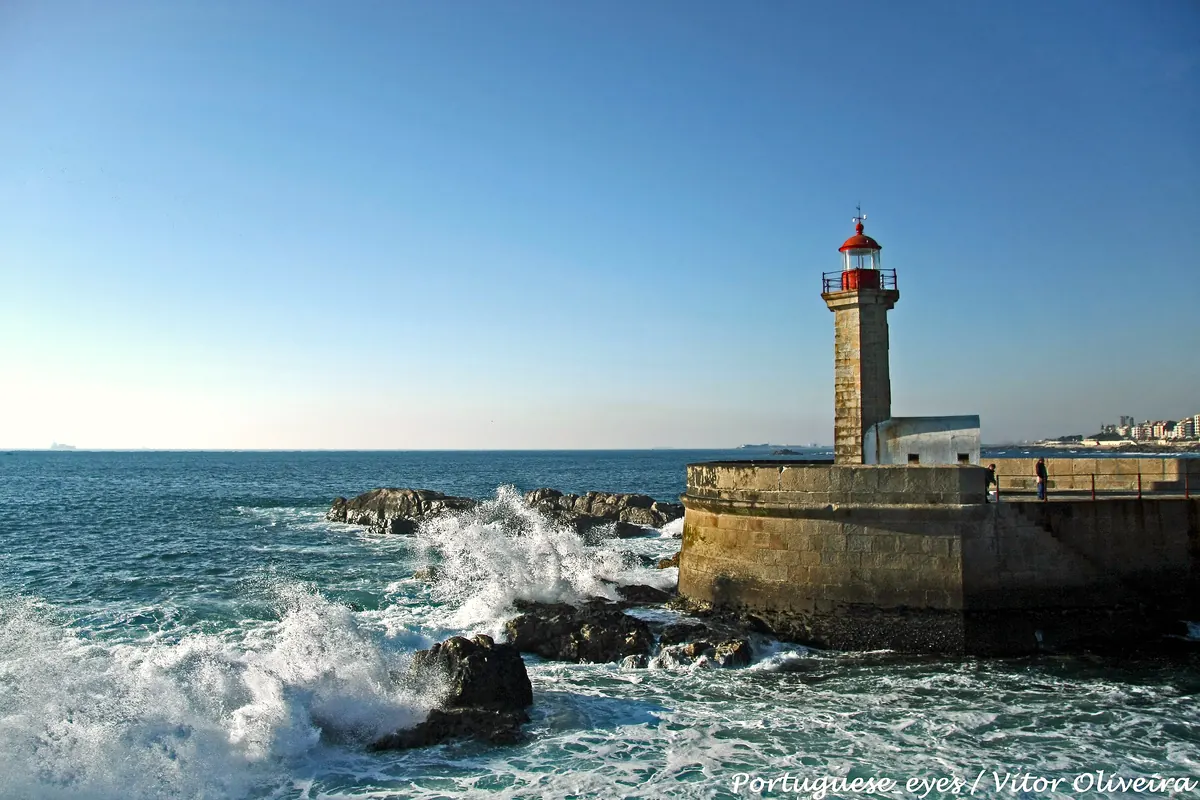
Promenades, lighthouses and seafood lunches at the river mouth — a calmer, sea-air base.
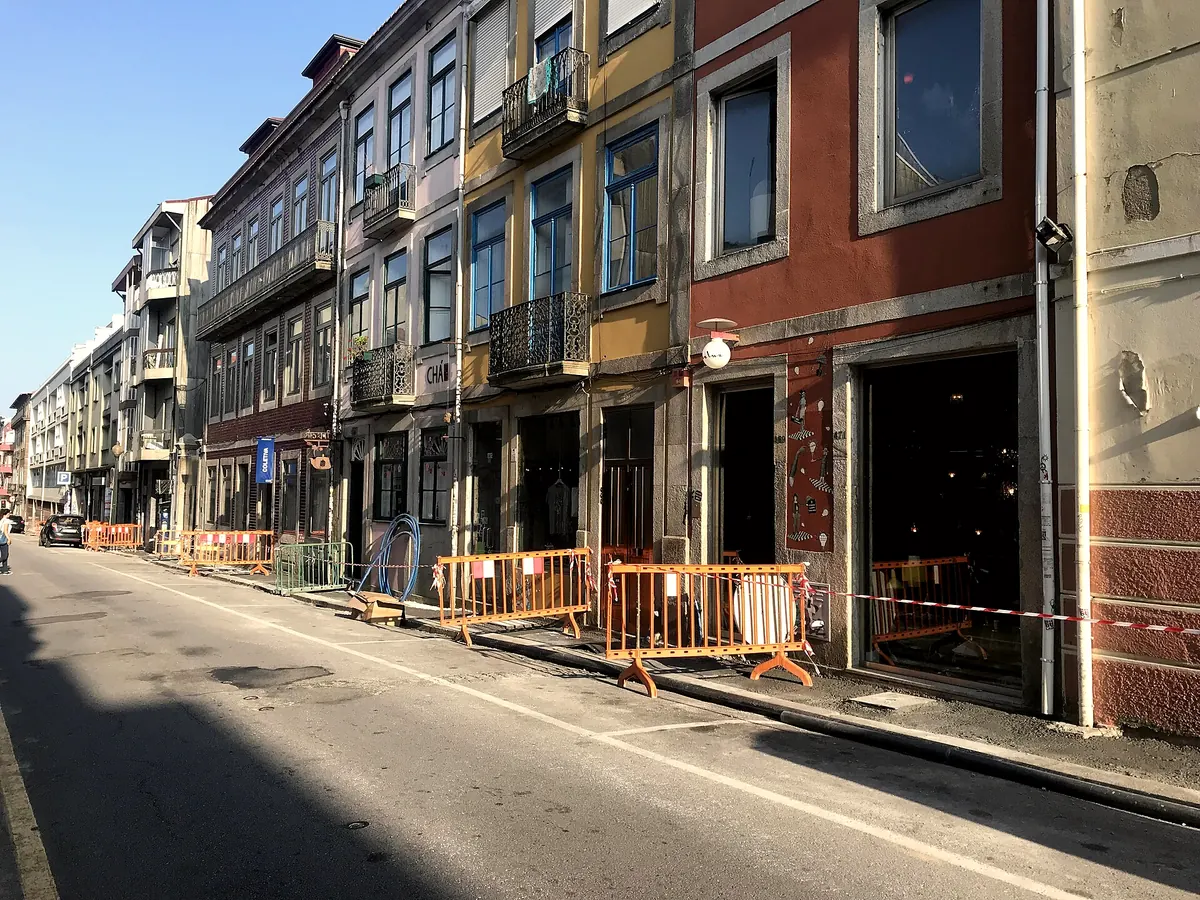
The Miguel Bombarda gallery strip, independent cafés and the most liveable central base in Porto.
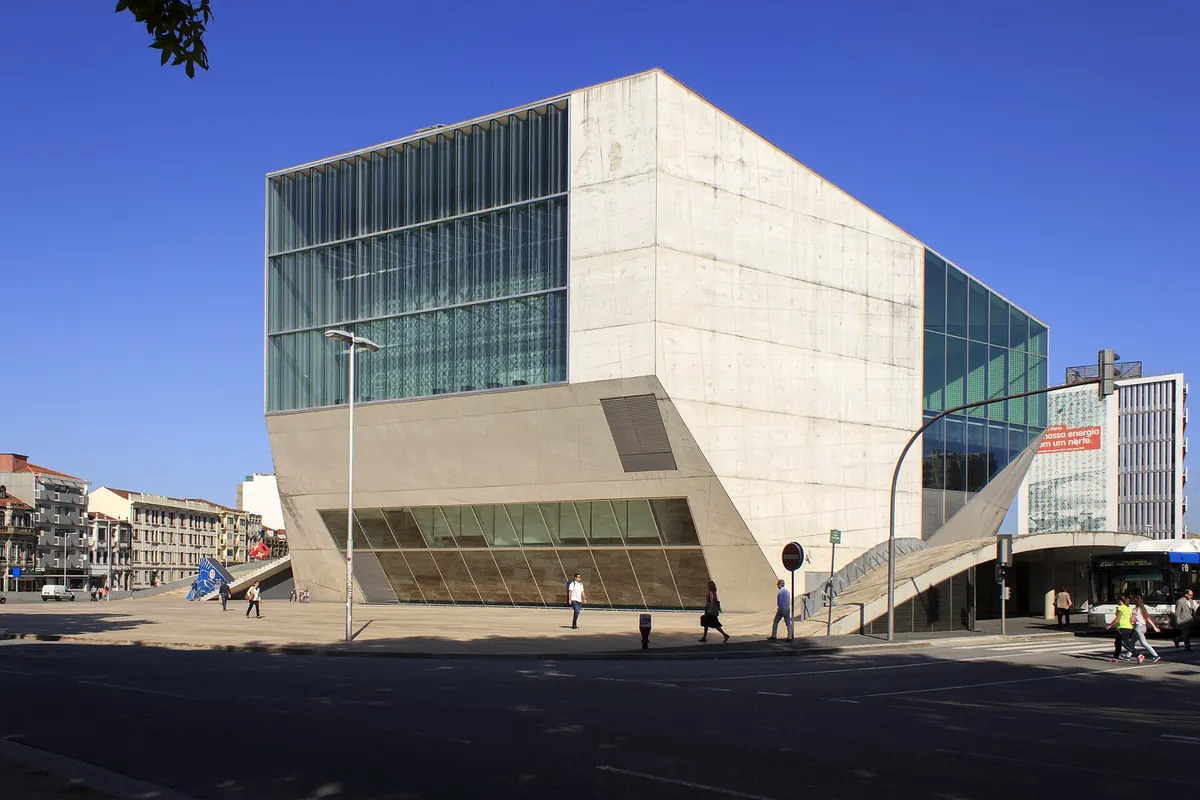
Casa da Música, the road to Serralves, and the most practical hotels and metro links in the city.
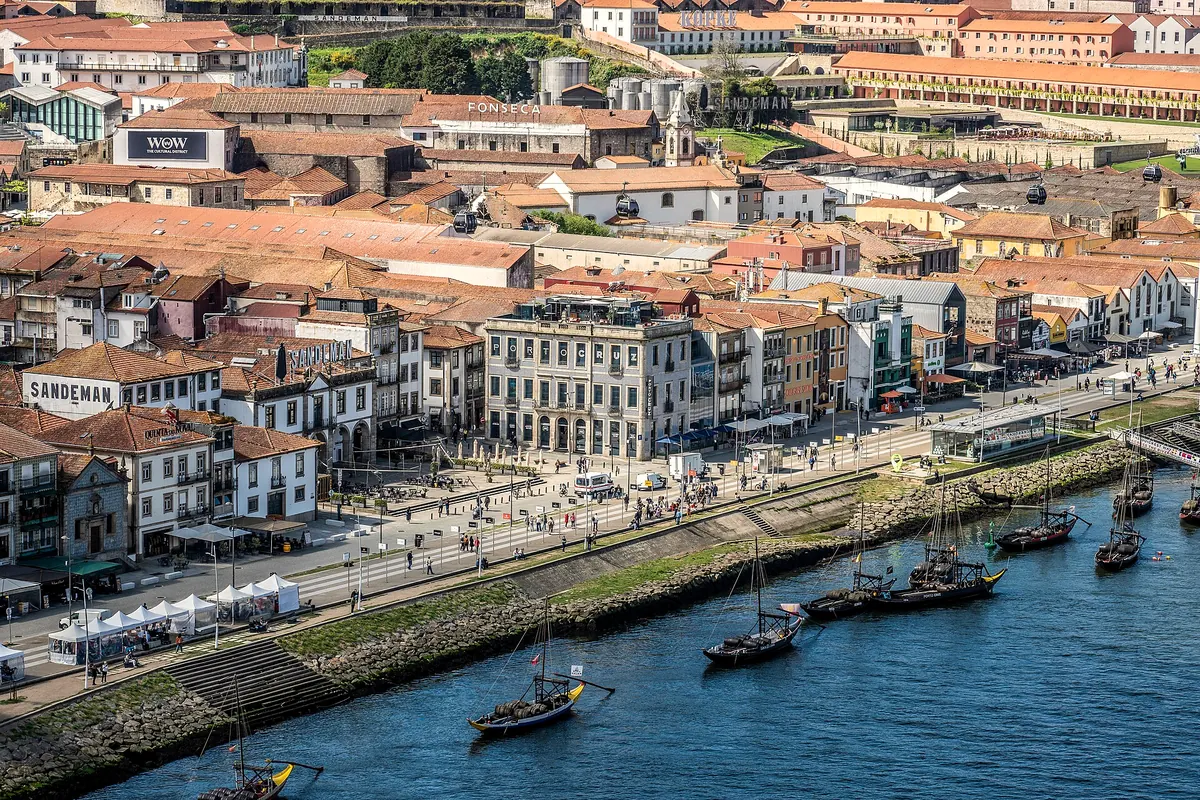
Five bases compared — Ribeira, Cedofeita, Gaia, Foz and Boavista — with the hills, noise and taxes listings leave out.